Buying a Used Car? Do These Checks Before You Buy
Buying a used car can be a great way to save money. But a car that looks good on the outside may hide costly problems under the hood.
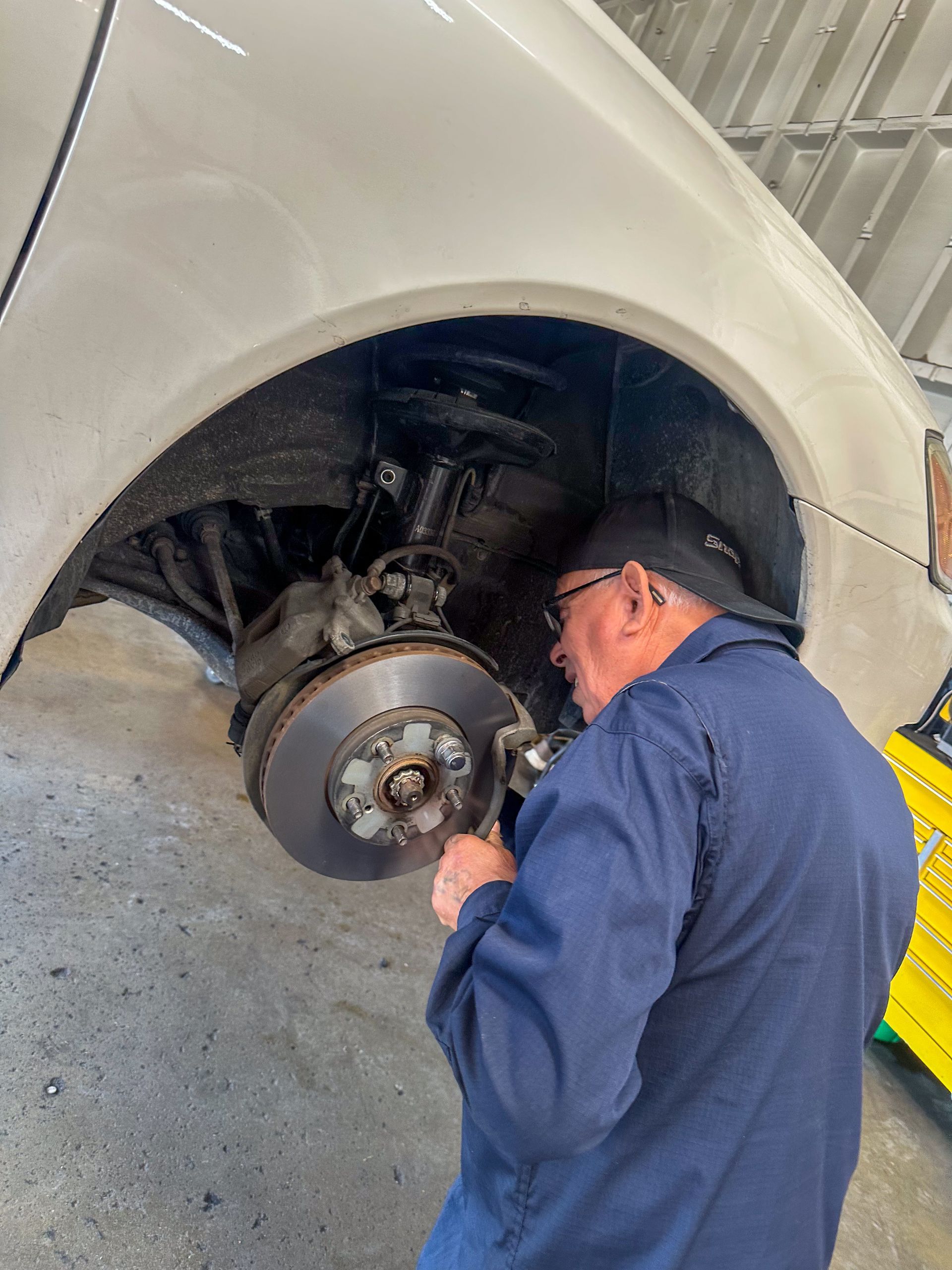
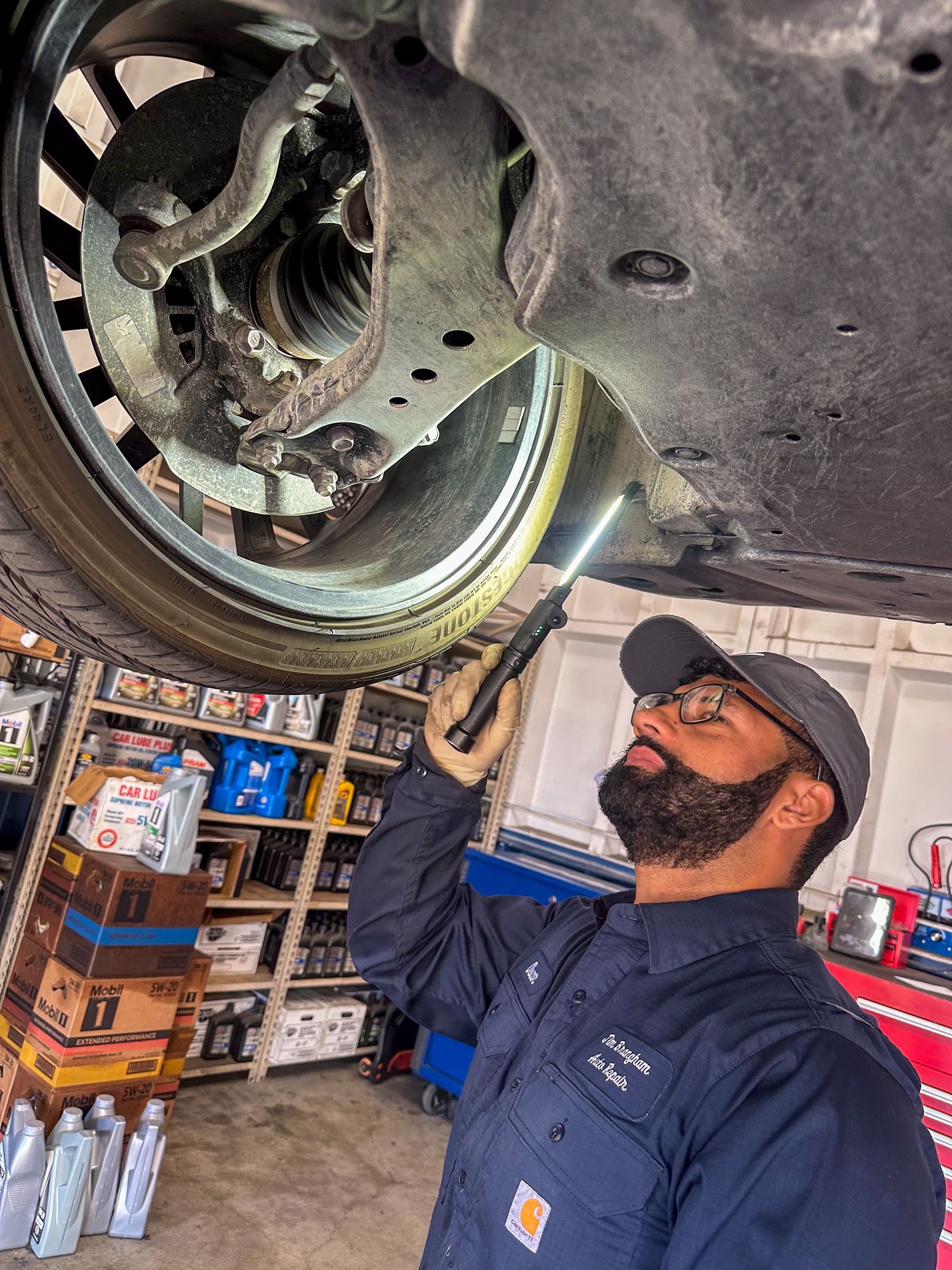
At Jim Brangham Auto Repair, we have seen customers bring in cars shortly after buying them, only to find out they need major repairs. Some have learned that their car had a salvage title. Others have gone to the DMV and found out they owed more than $1,000 in unpaid registration fees and late penalties. These are expensive surprises that may have been caught before the sale.
Before you buy a used car, do your homework and let us help you check it out. We can help you review the vehicle's condition and guide you through the steps to take before making your purchase.
1. Check the Title Before You Buy
One of the first things you should check is the car's title. A title shows who owns the vehicle. It can also show if the car has a special title brand, such as salvage. A salvage title means the car was declared a total loss at some point. This can happen after a major crash, flood, or other serious damage. Some salvage cars are repaired and put back on the road. But past damage may still cause problems. Repairs may not have been done well, and some damage can be hard to see.
Ask the seller if the car has a clean title. Then check the title and vehicle history yourself. You can use the free NICB VINCheck tool to look for certain reports of theft, salvage, or flood damage. This check does not find every problem, so it should not be your only source. You can also review the California DMV's guide to branded titles. Do not rely only on what the seller tells you. Check the records before you buy. If you have questions about a vehicle's condition or history, we can help you know what to look for.
2. Check for Unpaid Registration Fees
This is a step many buyers forget. In California, a car may have unpaid registration fees and late penalties. If the tags have been expired for a long time, the amount due can add up. We have seen customers buy a car and later find out they owe more than $1,000 when they try to register it at the DMV. Imagine buying a car at a good price, only to find out you have a large bill before you can get it registered.
Before you buy, ask the seller when the registration was last paid. Then contact the California DMV to check the vehicle's status and ask what fees would be due to complete the transfer and registration. You can review the California DMV registration fee page to learn more. Do not guess based on the sticker on the license plate. Get the amount confirmed before you agree to buy the car. We want you to know what you are getting into before you spend your money.
3. Get a Vehicle History Report
A vehicle history report can help you learn more about a car's past.
Depending on the report, it may show:
- Past accidents or damage
- Title problems
- Reported mileage
- Previous owners
- Service records
- Certain theft or flood reports
Look for signs that the car has been in a major crash or flood. Water damage can cause electrical problems long after the car has been cleaned up. Also, make sure the vehicle identification number, or VIN, matches the number on the car and its paperwork. Remember, a history report may not show every accident, repair, or problem. A clean report does not mean the car is in good shape. We can help you understand why a vehicle's history matters and what concerns to look into before buying.
4. Take a Test Drive and Watch for Warning Signs
Take the car for a test drive before you buy it, if the seller allows it. Pay attention to how it starts, runs, stops, and shifts. Listen for strange noises. Watch the temperature gauge and dashboard warning lights.
Look for signs such as:
- Smoke from the exhaust
- Oil or coolant leaks
- Rough engine idle
- Shaking or unusual vibration
- Hard or delayed shifting
- Brakes that grind or pull to one side
- Warning lights that stay on
A short test drive can reveal warning signs, but it cannot tell you everything that may be wrong with the car. That is why a professional inspection is so important.
5. Have a Mechanic Inspect the Car Before You Buy
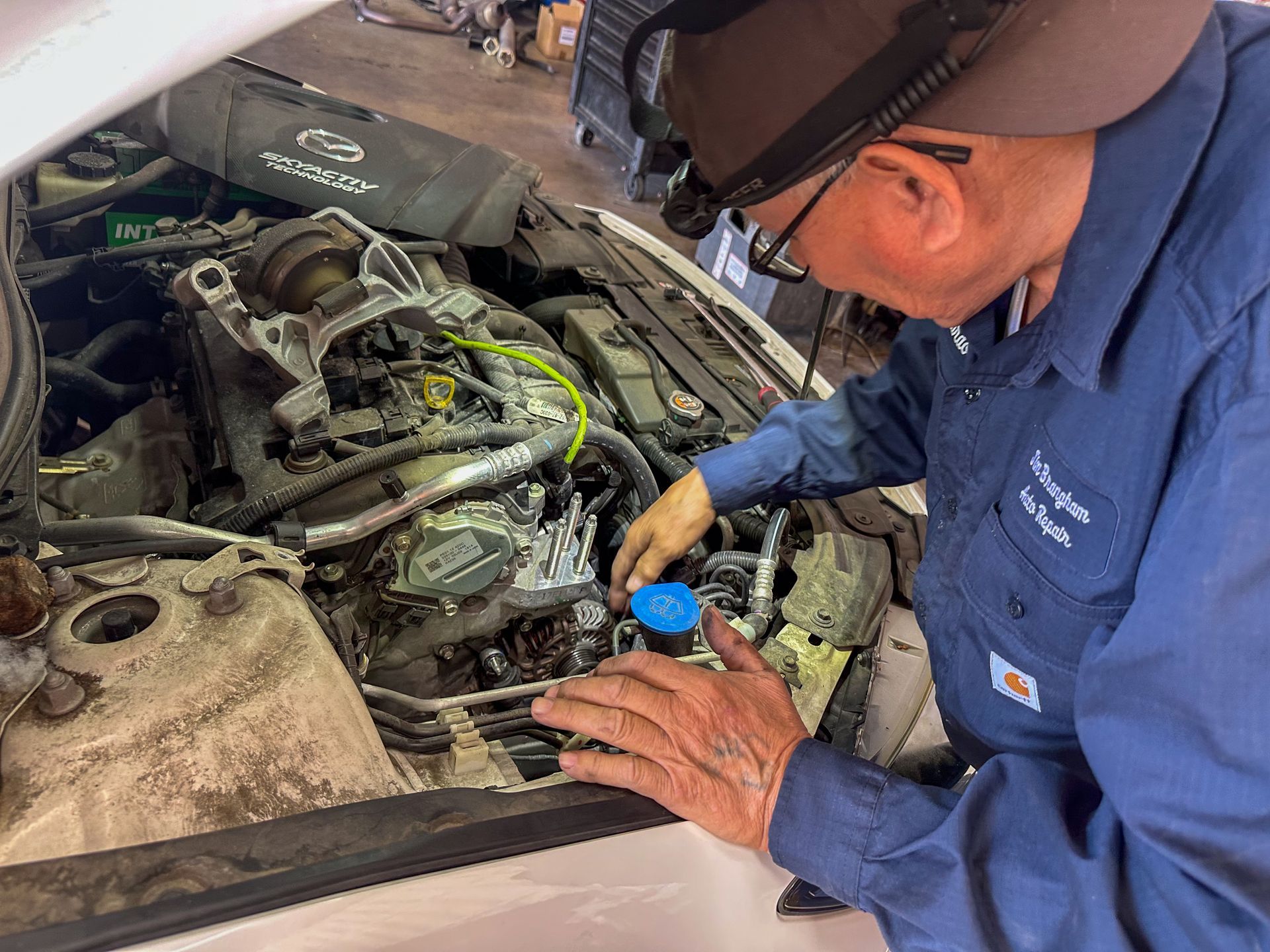
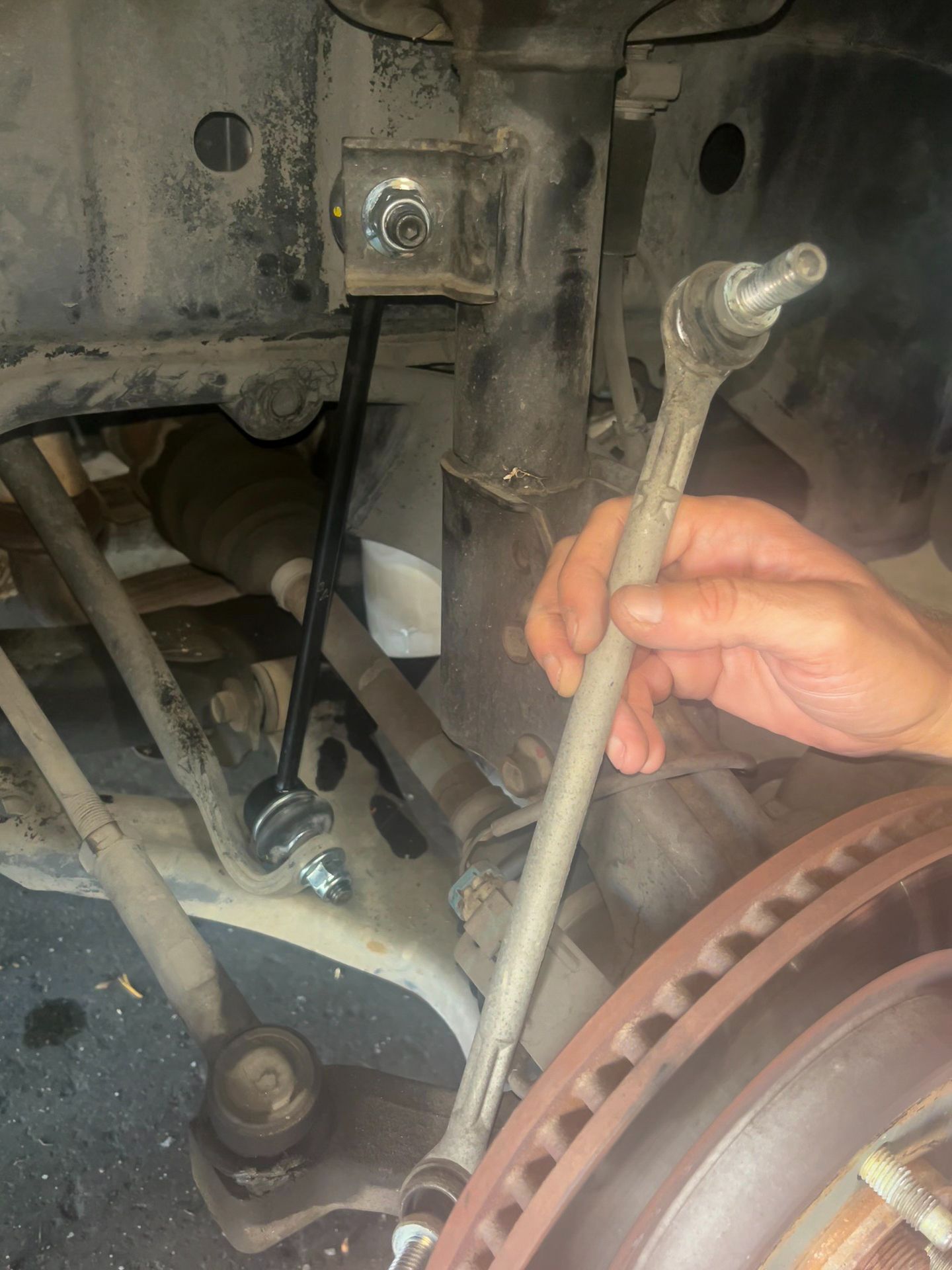
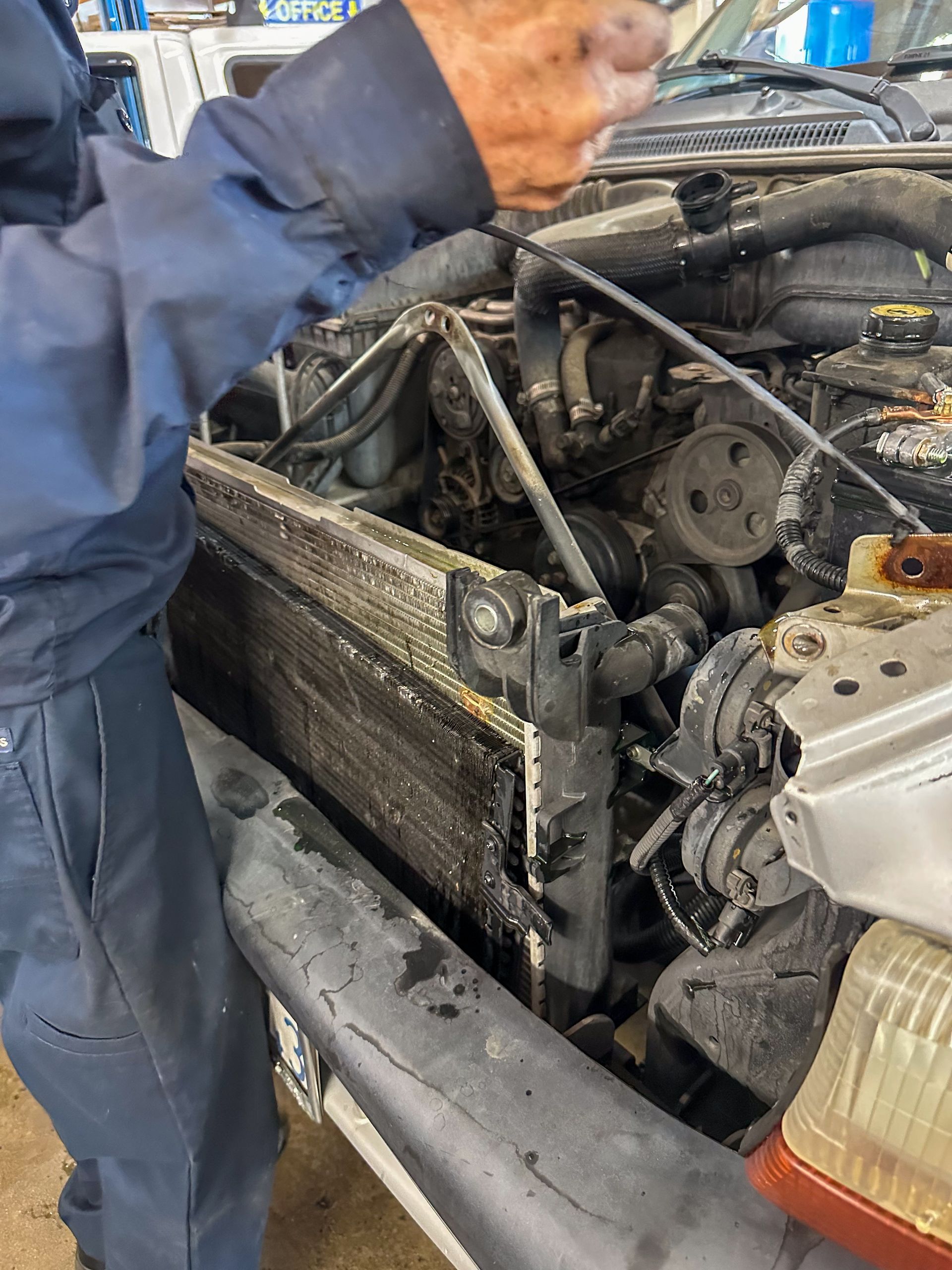
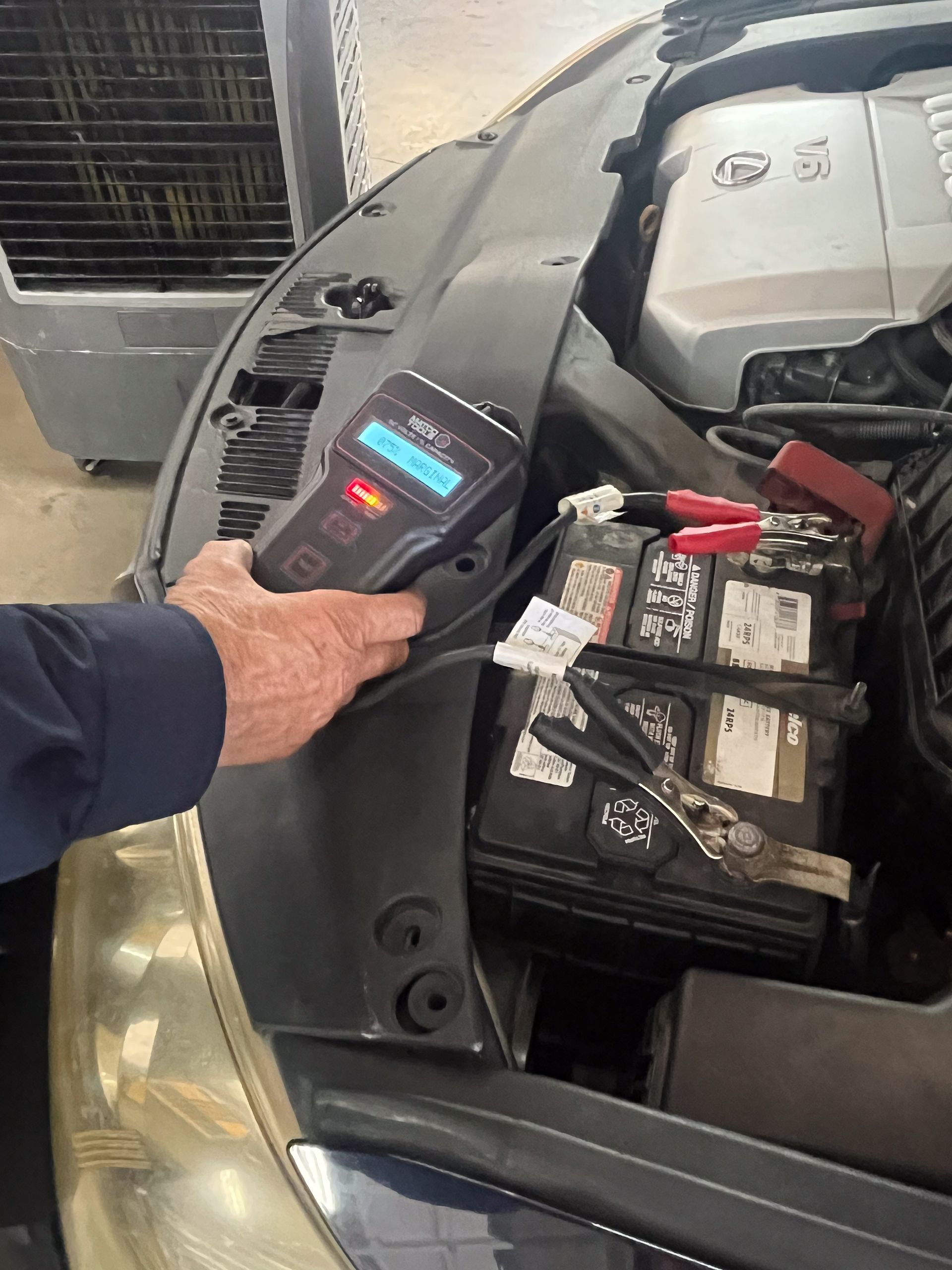
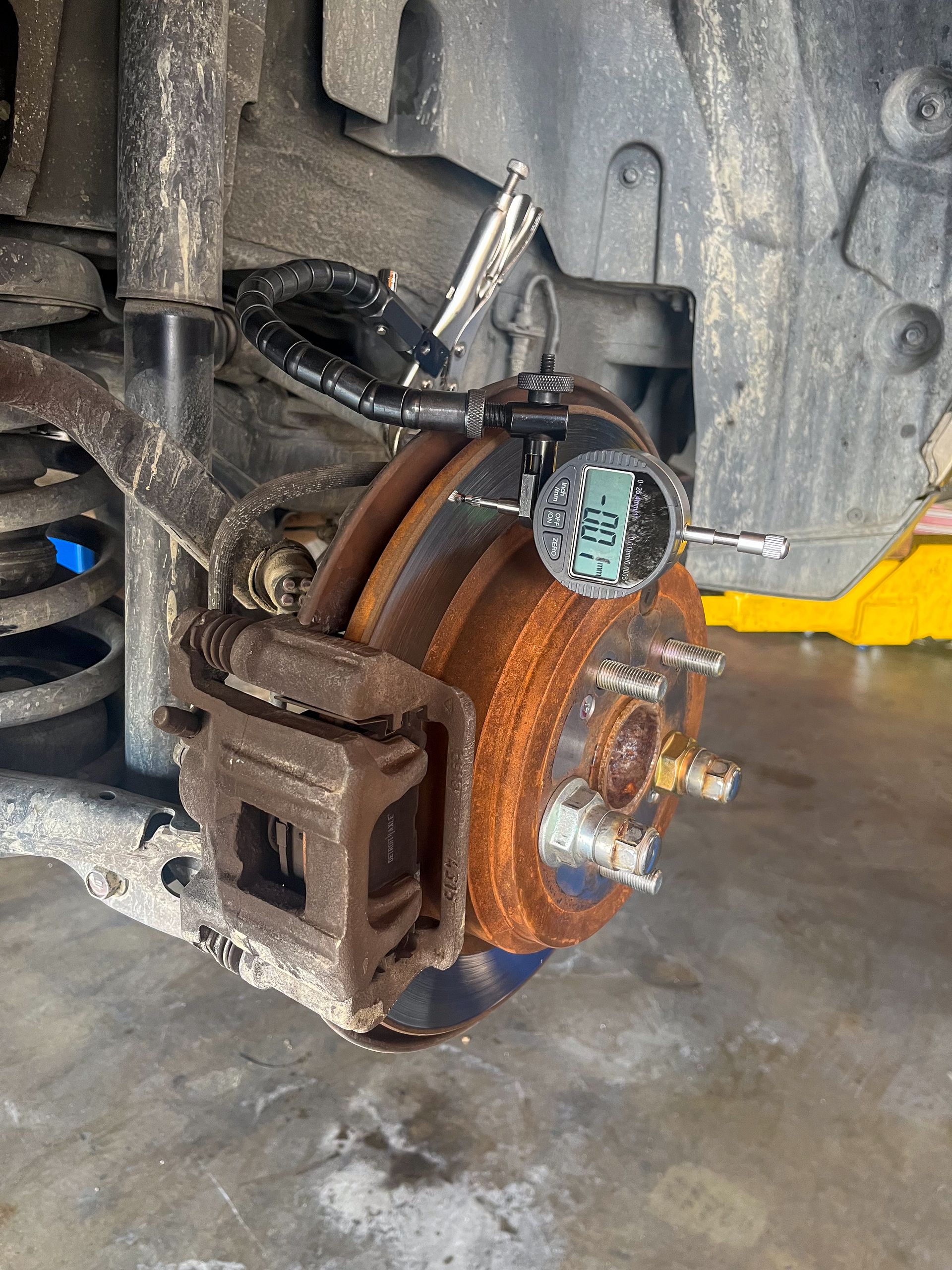
Even if the car looks great and drives well, there may be problems you cannot see. A pre-purchase inspection gives you a closer look at the car's condition before you spend your money. At Jim Brangham Auto Repair, we can inspect key parts of the vehicle, including the engine, cooling system, brakes, tires, suspension, and signs of leaks. We can also check for other concerns that may need attention. We will explain what we find so you can make a more informed choice. If we find problems, you can decide whether to move forward, ask the seller to address them, or walk away.
No inspection can promise that a used car will never break down. But finding problems before the sale can help you avoid costly surprises.
If the seller will not let you have the car inspected, think carefully before moving forward.
6. Ask Questions Before You Hand Over the Money
Before buying, make sure you know the answers to these questions:
- Does the car have a clean title?
- Has it been in a major accident or flood?
- Is the registration current?
- Are there unpaid fees or penalties?
- Does the VIN match the paperwork?
- Are there warning lights or known mechanical problems?
- Can I have the car inspected by my own mechanic?
Get important promises in writing. Do not feel rushed into buying a car just because the seller says someone else is interested. If something does not feel right, it is okay to walk away.
Let Jim Brangham Auto Repair Help Before You Buy
Buying a used car is a big decision. Taking time to check the title, registration fees, vehicle history, and mechanical condition can help you avoid expensive surprises. You do not have to figure it all out alone. We can help you with the inspection and guide you through the important things to check before you buy. Our goal is to help you understand the vehicle's condition so you can decide if it is worth your money.
We serve drivers in Cathedral City and the Coachella Valley.
Call (760) 321-7040 to ask about scheduling a pre-purchase inspection. It is much better to find a problem before you buy the car than to discover it after the money is gone. Let us help you make a more informed purchase.